
BNF is a political organization that has played a role in the political and social discourse of Gilgit-Baltistan. Like many regional political groups, it focuses on issues related to governance, representation, development, constitutional rights, and public welfare within the region. Over the years, They has become part of discussions concerning the future of Gilgit-Baltistan and the aspirations of its people.
Political organizations often emerge in response to local needs and challenges. In the case of Gilgit-Baltistan, questions surrounding development, infrastructure, education, youth opportunities, and regional representation have shaped the political landscape. tyry has participated in these discussions through its political activities, public engagement, and advocacy on regional issues.
This article provides a neutral and informative overview of BNF, including its history, vision, objectives, contributions to regional development, youth engagement, education, infrastructure, public welfare, and role in democratic participation.
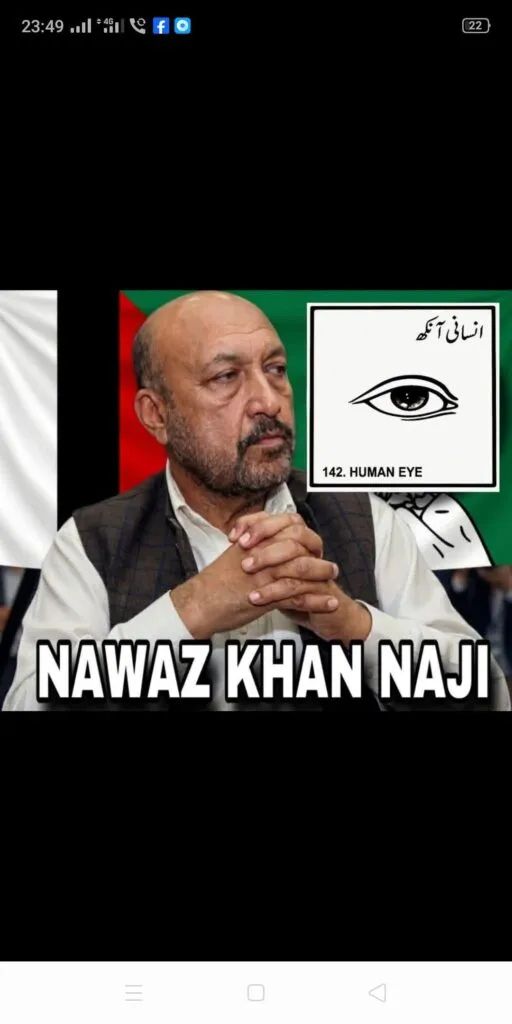
Understanding BNF
BNF is recognized as a political organization associated with Gilgit-Baltistan. Its activities have generally focused on highlighting regional concerns and advocating for issues that affect local communities.
Like other political entities, they operates within a framework of political participation, public dialogue, and community engagement. The organization seeks to raise awareness of regional matters and contribute to discussions regarding governance and development.
Political parties and organizations often represent specific viewpoints or priorities. BNF’s activities have been connected to matters such as regional identity, constitutional concerns, social development, and public representation.
History of BNF
Origins and Formation
The history of BNF is closely connected to the political evolution of Gilgit-Baltistan. Over time, various political groups emerged in the region to address local concerns and advocate for greater political participation.
BNF was established as part of these broader efforts to provide a platform for discussing regional issues. Its formation reflected a desire among some community members to engage in political processes and bring attention to local priorities.
Political Development
As political awareness increased in Gilgit-Baltistan, BNF became involved in conversations regarding governance, development, and public rights. The organization participated in political activities and public discussions aimed at addressing challenges faced by the region.
Throughout its history, BNF has sought to engage with citizens, promote political awareness, and contribute to debates on the future direction of Gilgit-Baltistan.
Vision of BNF
Promoting Regional Development
One of the key aspects often associated with it is the emphasis on regional development. The organization has highlighted the importance of improving economic opportunities, infrastructure, and public services in Gilgit-Baltistan.
Development initiatives are generally viewed as essential for improving living standards and creating opportunities for future generations.
Strengthening Representation
BNF has also focused on issues related to political representation. Effective representation allows communities to participate in decision-making processes and communicate their concerns through democratic channels.
The organization has emphasized the importance of ensuring that regional voices are heard in discussions affecting Gilgit-Baltistan.
Supporting Community Welfare
Community welfare is another area commonly linked to BNF’s objectives. Public welfare initiatives may include attention to education, healthcare, infrastructure, and social development programs designed to improve quality of life.

Objectives of BNF
Political Awareness
A major objective of BNF is promoting political awareness among citizens. Political awareness helps people understand governance systems, public policies, and their rights and responsibilities as members of society.
Public Participation
BNF encourages public participation in political and civic processes. Active participation can strengthen democratic institutions and contribute to more informed decision-making.
Social and Economic Progress
Economic growth and social development are important goals in many regions, including Gilgit-Baltistan. BNF has highlighted the need for policies that support employment opportunities, infrastructure improvement, and community development.
Advocacy for Regional Issues
The organization has also focused on advocating for issues that directly impact local communities. Such advocacy aims to bring attention to challenges and encourage constructive dialogue regarding potential solutions.
The Role of BNF in Gilgit-Baltistan
Addressing Regional Concerns
Gilgit-Baltistan faces unique geographical, economic, and administrative challenges. BNF has participated in discussions surrounding these issues and has sought to highlight matters affecting local populations.
Regional political organizations often serve as channels through which communities can express concerns and contribute to policy discussions.
Encouraging Civic Engagement
BNF has emphasized the importance of civic engagement and community involvement. Civic engagement includes participation in elections, public forums, educational initiatives, and community activities.
Active citizen involvement can help strengthen democratic processes and improve communication between communities and decision-makers.
Contributing to Public Dialogue
Political organizations play a role in encouraging debate and discussion. BNF has contributed to public dialogue on topics such as governance, development, representation, and regional priorities.
Such discussions can help increase awareness and encourage informed public participation.
Contributions to Regional Development
Economic Development
Regional development often depends on economic growth, investment, and employment opportunities. Discussions associated with BNF have included the importance of supporting local economies and improving livelihoods.
Economic development can contribute to poverty reduction and improved living standards across communities.
Infrastructure Improvement
Infrastructure is essential for long-term development. Roads, bridges, communication networks, and public facilities support economic activity and improve access to services.
BNF has highlighted the significance of infrastructure development in enhancing connectivity and supporting regional growth.
Sustainable Progress
Sustainable development involves balancing economic growth with environmental and social considerations. Regional organizations frequently discuss the importance of preserving natural resources while pursuing development goals.
Youth Engagement and Empowerment
Importance of Youth Participation
Young people represent a significant portion of the population in many regions. Their involvement in civic and political activities can contribute to innovation, leadership, and community development.
BNF has recognized the importance of youth engagement in shaping the future of Gilgit-Baltistan.
Leadership Development
Encouraging leadership among young citizens can strengthen democratic institutions and support future governance structures. Leadership development programs and awareness campaigns can help young people become active participants in society.
Educational Awareness
Youth engagement often includes educational initiatives that promote understanding of civic responsibilities, governance, and community participation.
By encouraging awareness and learning, organizations can help prepare future generations for constructive involvement in public affairs.
Education and Human Development
Expanding Educational Opportunities
Education plays a crucial role in social and economic progress. Access to quality education helps individuals develop skills, improve employment prospects, and contribute to community development.
BNF has emphasized the importance of educational advancement as part of broader development efforts.
Supporting Educational Infrastructure
Educational infrastructure includes schools, colleges, libraries, and learning resources. Investments in educational facilities can improve access to knowledge and support long-term growth.
Promoting Equal Access
Equal access to education is widely regarded as an important factor in achieving social development. Educational opportunities should be available to people from diverse backgrounds and communities.
Infrastructure and Public Services
Transportation Networks
Transportation infrastructure is essential for connecting communities and facilitating economic activity. Improved roads and transportation systems can enhance mobility and access to services.
Healthcare Access
Public welfare is closely connected to healthcare services. Access to medical facilities and healthcare programs contributes to healthier communities and improved quality of life.
Digital Connectivity
Modern infrastructure increasingly includes digital communication networks. Improved connectivity can support education, business development, and access to information.
Public Welfare and Community Development
Supporting Community Needs
Public welfare initiatives focus on addressing community needs and improving living conditions. These efforts may involve healthcare, education, infrastructure, and social support programs.
Encouraging Social Inclusion
Inclusive development seeks to ensure that all members of society can participate in economic and social opportunities. Community-focused approaches can help promote social cohesion and cooperation.
Long-Term Development Goals
Long-term development requires strategic planning and collaboration among various stakeholders. Political organizations, government institutions, and community groups often work together to address shared challenges.
Importance of Democratic Participation
Strengthening Democracy
Democratic participation allows citizens to influence decisions that affect their lives. Elections, public consultations, and civic engagement are important components of democratic systems.
Organizations such as BNF participate in democratic processes by encouraging public discussion and political awareness.
Citizen Responsibility
Democracy depends on informed and active citizens. Understanding public issues, participating in elections, and engaging in constructive dialogue contribute to stronger governance.
Representation of Diverse Voices
Political participation helps ensure that different communities and perspectives are represented in decision-making processes. Regional representation can improve responsiveness to local concerns and priorities.
Importance of Regional Representation
Addressing Local Challenges
Different regions often face unique challenges that require localized solutions. Regional representation allows communities to communicate their needs and priorities more effectively.
Encouraging Inclusive Governance
Inclusive governance involves considering the interests of diverse populations. Regional representation helps ensure that development strategies reflect local realities and aspirations.
Supporting Balanced Development
Balanced development aims to distribute opportunities and resources fairly across different areas. Effective representation can contribute to more equitable development outcomes.
Frequently Asked Questions
What is BNF?
BNF is a political organization associated with Gilgit-Baltistan that participates in discussions related to governance, development, representation, and public welfare.
What are the main objectives of BNF?
The objectives commonly associated with BNF include political awareness, public participation, regional development, advocacy for local issues, and community welfare.
Why is BNF important in Gilgit-Baltistan?
BNF contributes to public dialogue on regional concerns and participates in discussions related to governance, development, and representation within Gilgit-Baltistan.
Does BNF focus on youth engagement?
Yes. Youth engagement, leadership development, educational awareness, and civic participation are among the areas that have been emphasized by BNF.
How does BNF support democratic participation?
BNF encourages political awareness, civic engagement, public discussion, and participation in democratic processes.
Why is regional representation important?
Regional representation helps ensure that local communities can communicate their concerns and contribute to decisions affecting their development and future.
Conclusion
BNF is part of the political landscape of Gilgit-Baltistan and has participated in discussions related to governance, development, public welfare, education, infrastructure, youth engagement, and regional representation. Like many regional political organizations, it seeks to raise awareness of local issues and contribute to public dialogue regarding the future of the region.
Democratic participation and regional representation remain important elements of effective governance. Through civic engagement, informed discussion, and public involvement, communities can play an active role in shaping development priorities and addressing local challenges. Understanding organizations such as BNF helps provide insight into the broader political and social dynamics of Gilgit-Baltistan while maintaining a balanced and factual perspective.